Log in Register

Example Test #76

1. You are driving along, when glass from your vehicle falls on the road. What steps should you now take? Select all that apply.
Put your hazards on. Park up and call the council, they will clean it up.

Remove the glass yourself, but only if it is safe to do so.

Tell the police, or attempt to clear it yourself but only if it is safe to do so.

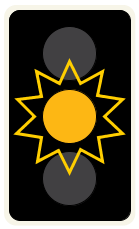
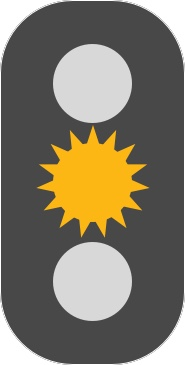
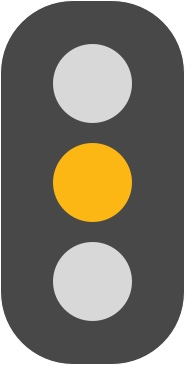
2. If you see a yellow flashing traffic light, what does it mean?
Stop here and check for an ambulance.

Danger zone, turn back.

The traffic light is about to turn red.

The traffic signal is not working, use the Give way rules instead.

practice
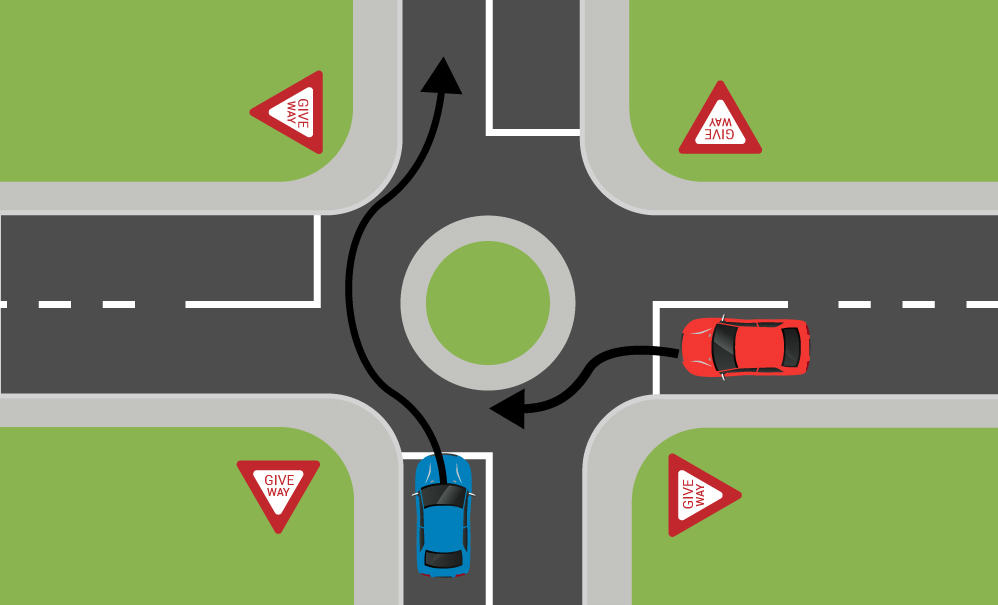
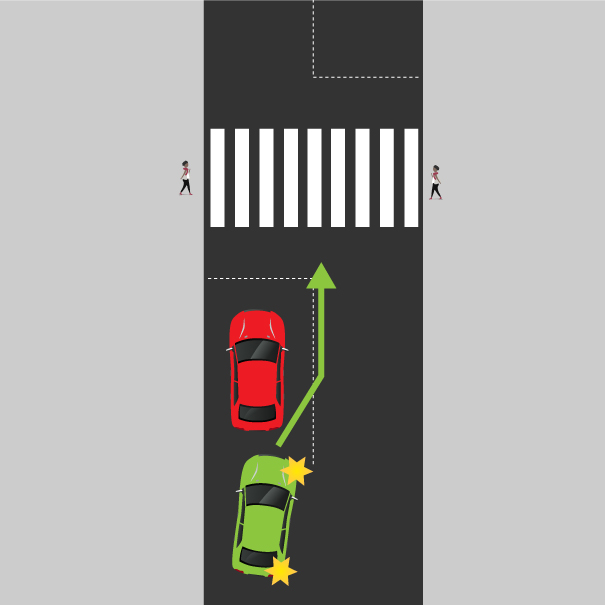
3. Is blue car required to give way?
Yes

No

practice
4. Select from the following what you should do when you park by the roadside after dark?
You must park where your car will be seen under street lighting.

Make sure your parking lights are on.

Both A and B

Either A or B

5. You come to a railway level crossing and the lights are flashing red and the barrier arm is coming down. When should you try to cross?
After the train has come through.

When the lights have gone out.

When the barrier is up.

All of the above.

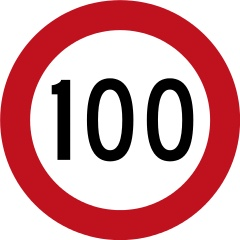
6. Select the correct instruction to match the sign.
Stop in 100 metres

The speed limit is 100 km/h

The speed limit is 100 mph

practice
7. On the road in front of you, there are no broken yellow lines. What is the minimum distance you can park near to a pedestrian crossing?
Eight metres

Six metres

Four metres

On the yellow line.

8. You see this road marking. What does it mean?
You can charge electric and hybrid vehicles at this spot.

Fire engine rest stop.

A tunnel ahead

Fire hydrant

practice
9. You have a manual car, and it is parked downwards on a steep hill. Select which gear you should have it in when you leave the vehicle.
Neutral

Reverse

First gear

Any gear

practice
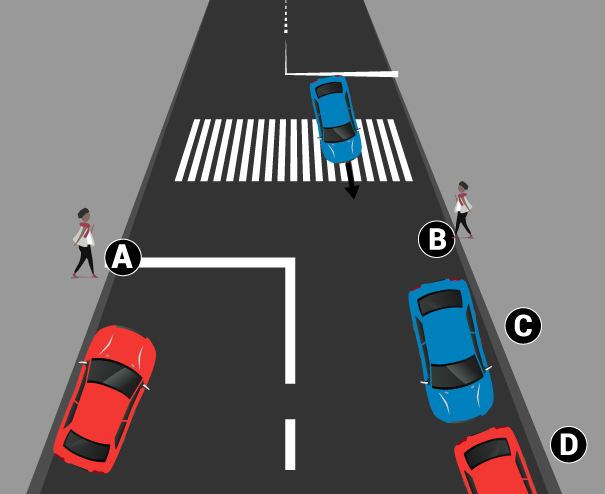
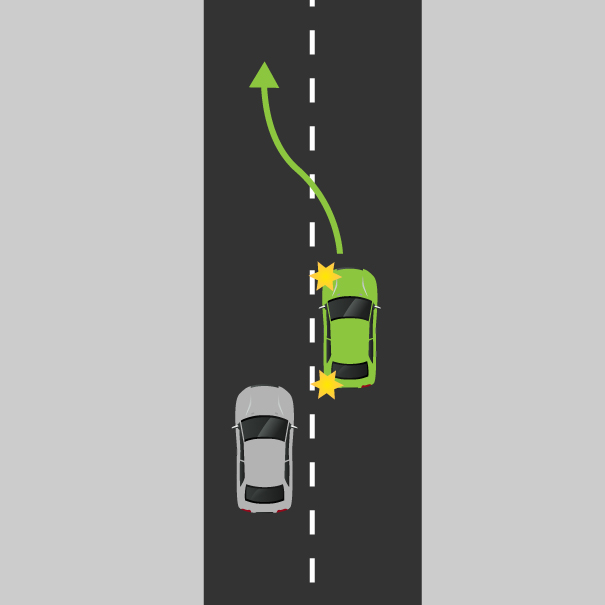
10. To which of the four hazards should the blue car respond?
The hitch-hiker (A)

The child by the side of the road (B)

The parked car (C)

The car that is partially obscured from view (D)

practice
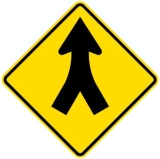
11. What does this sign tell you?
You are on a one way street

Ahead is merging traffic from both the left and right

Parking spaces ahead

Speed bumps ahead

practice
12. In the event of a rear tyre blowout, what can you expect to happen?
The back end will sway away from the side of the blowout

The back end could sway towards the blow out

The front wheels will stop.

The front wheels will spin uncontrollably.

The back end will move from side to side

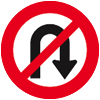
13. What does this sign tell you?
Do not turn left.

No U-turns

No reversing

Dead end.

practice
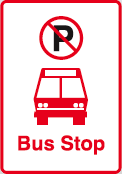
14. What does this sign tell you?
Any vehicle can park here except buses and taxis.

Only buses can stop here.

Only buses and taxis can stop here.

practice
15. When MUST you dip headlights? Select all that apply.
When you are following other vehicles

A police officer is directing traffic

When you are parking.

There are oncoming vehicles.

16. What is the maximum trailer weight allowed for a learner or restricted car license?
400kg

3500kg

4000kg

4500kg

300kg

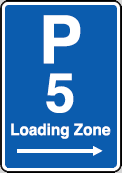
17. When are you allowed to park on a loading zone?
You are never allowed to park here unless you are a taxi.

Only when the road does not look busy.

If you are loading or unloading your vehicle, but you must not stay longer than the time limit.

Between midday and 8pm

Any weekday between 8am and 6pm

practice
18. If you see a yellow flashing traffic signal, what does it mean?
The lights will turn red after

The signals are broken

Accident ahead

Use give way rules

practice
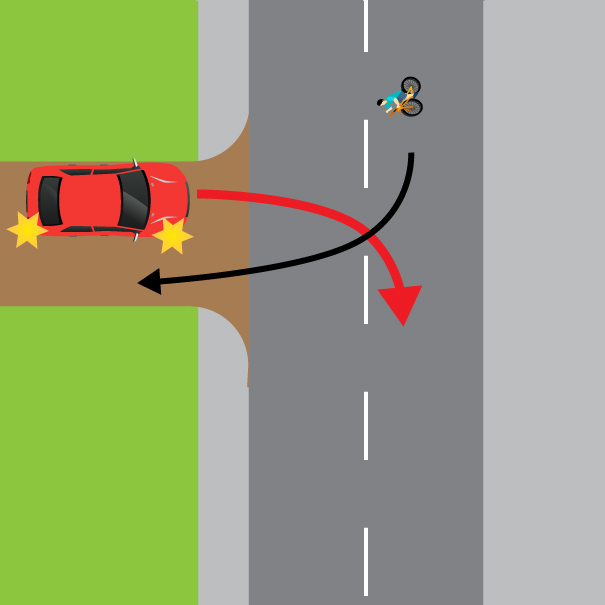
19. A car is exiting a driveway onto a road. Select the options which apply.
Pedstrians have to wait for the car.

Any cyclists must give way

The vehicle in the driveway must give way to all traffic on the road

The car should contine, others will move.

practice
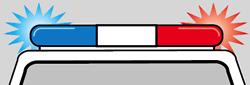
20. If you see a police car behind you, and the flashing blue and red lights are on, how should you respond?
Yes

No

practice
21. A police officer can sometimes overrule the usual rules of an intersection. Which of the following can an officer overule?
Traffic lights

Give Way

Any road signs

All of the above

22. You should indicate for at least three seconds before moving into the left lane. What else must you do? Select all that apply.
Ensure you have checked all blind spots.

Slow down to half the speed limit.

Speed up over the limit to get into the lane quickly.

Press your hazards to alert the cars behind you that you are changing lanes.

23. Are you ever permitted to overtake a stationary car at a crossing?
If you cannot see any pedestrians crossing.

Never

Always

Yes, but only if the car ahead is not paying attention.

practice
24. Your vehicle has a warrant of fitness. However, your rear red brake light has now broken. How should you proceed?
Wait until your next Warrant of Fitness assessment to get it fixed

Fix it immediately, or as quickly as possible.

Only use the vehicle during the day.

25. After passing another vehicle on the motorway, when should you return to the lane?
Indicate for three seconds, then move over

Keep driving in the right lane

If you can see the car in your rear view mirror, you can safely return to the lane

If the car can be seen in your side mirror, you can return to the lane

practice
26. Select out of the folowing who is authorised to be a supervisor for a learner driver?
Anyone with a fully licence for a minimum of two years

Anyone over age 20

Anyone who owns a car

All of the above

27. The car behind you is very close. How should you proceed?
Move to the left lane so that they can safely pass you.

Beep the horn.

Put your hazards on.

Speed up so there is more space between you.

28. You are driving when suddenly power lines fall across your car. How should you proceed?
Stay in your vehicle and call for assistance, it is dangerous to touch the car.

Shuffle the car backwards and forwards until the lines fall off.

Exit the vehicle and if you have gloves remove the power lines

Exit the vehicle, but don't touch the lines.

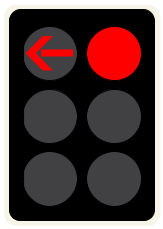
29. Are you legally allowed to do a right turn if you see this traffic signal?
No

Yes, but you have to give way to other cars first.

No, wait for the arrow to turn green

Yes

practice
30. If you see a yellow traffic signal, how should you react?
Stop immediately

If you can safely stop in time, you should stop. If not, continue through.

Speed up to get through the intersection before it turns red.

Stop if you are 50 metres away.

practice